Choosing a grit sequence for metal finishing
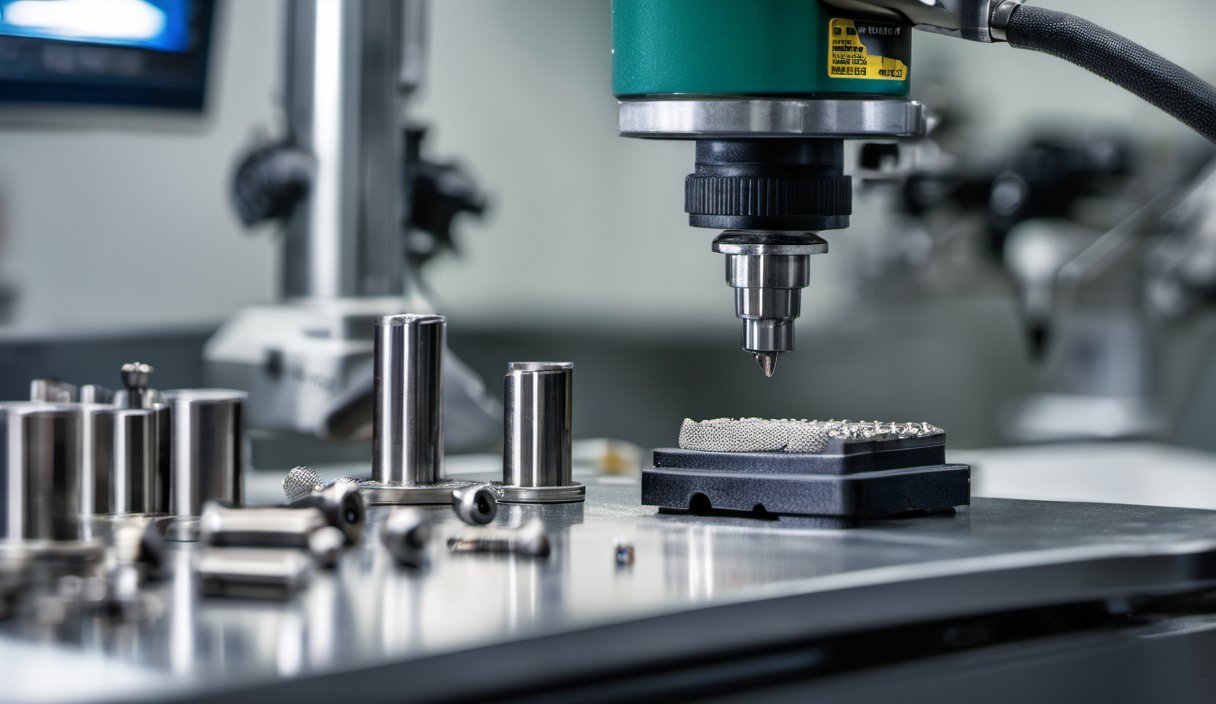
General metal finishing is not one product. Our range has 18 families, from ceramic and zirconia belts to non-woven pads and bonded wheels, spanning 24# to 5000#.
Pick the abrasive by the job
| Family | Grit | Best at |
|---|---|---|
| Ceramic abrasive belt | 24# - 1200# | Strong cut on stainless, titanium and tungsten alloys |
| Zirconia alumina belt | 24# - 120# | Heavy-duty grinding and heat-resistant alloys |
| Silicon carbide belt | 24# - 1200# | Non-ferrous and non-metallic surfaces, steel brushing |
| Agglomerated abrasive belt | 80# - 1000# | Consistent finish on stainless and high-alloy steel |
| Diamond abrasive belt | 60# - 3000# | Carbide, ceramics and glass |
| Non-woven pad | 180# - 1000# | Cool cleaning without damaging the workpiece |
| Abrasive sponge | 60# - 1500# | Curves, radii and recesses |
| Bonded grinding wheel | On request | Machine shop and die dressing |
Sequence, not single grit
Start with the grit that removes the defect, then step up until the scratch pattern is acceptable. Skipping too many grades leaves deep scratches that the fine grade cannot remove; adding too many wastes time and heat-treats the surface.
For contoured parts, a soft cloth belt, a nylon wheel or an abrasive sponge conforms better than a rigid bonded wheel. For flat stainless sheet, a ceramic or agglomerated belt gives a repeatable pattern.
Send the alloy, the current scratch pattern and the finish you need. We return a grit sequence and a sample plan, not a single product code.
Width, core and bond are configured to the machine, so the machine model belongs in the enquiry.