Selecting DC836: what the production record tells you
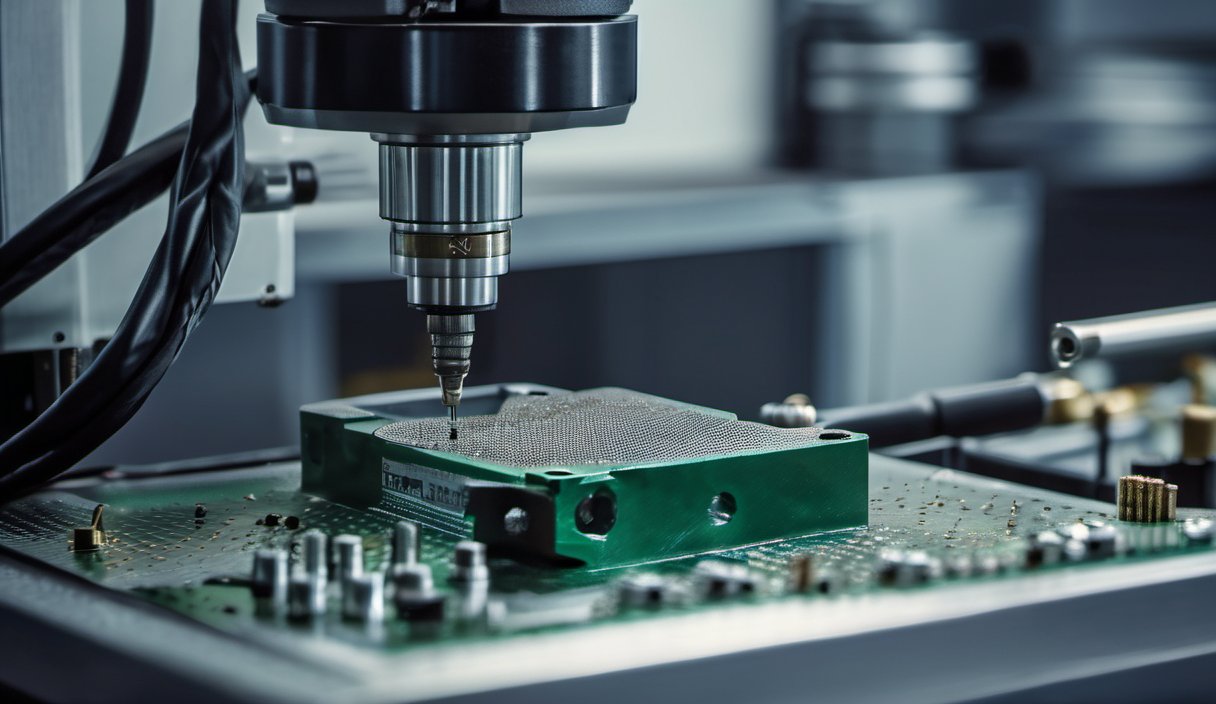
The DC836 series bronze-coated solid carbide drill is suitable for machining steel and stainless steel applications where coating wear resistance is critical, based on its verified production record.
Selecting the Right Tool for Your Application
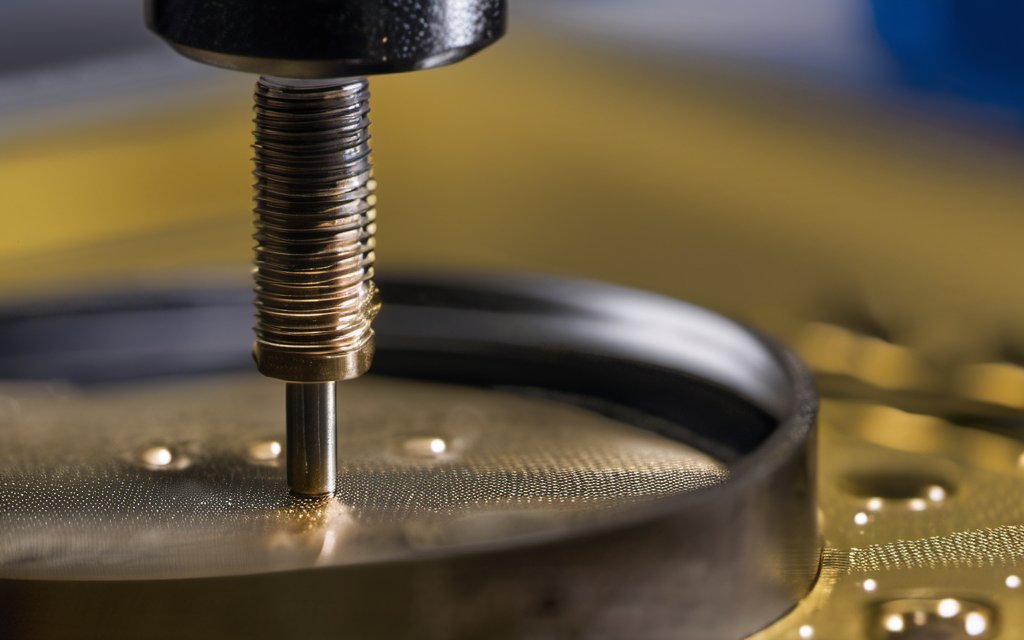
When choosing the DC836 series for a machining job, the key measurements to consider are the diameter range and the minimum diameter capability. The DC836 series has a diameter range of 0.1 to 14.0 mm, which makes it versatile for a wide range of drilling tasks. However, the minimum diameter capability of 0.15 mm is particularly important for applications requiring very fine drilling. This ensures that the tool can handle small diameter holes without compromising on precision or durability.
Before ordering, it is essential to verify the specific part numbers that match your requirements. The DC836 series includes 928 part numbers, each tailored to different drilling needs. For instance, the part number DC836-3200-03-03 is designed for a diameter of 3.20 mm, with a length of 20 mm, a flute length of 4 mm, and a helix angle of 50 degrees. These specifications directly influence the tool's performance in various machining scenarios.
Understanding the Impact of Measured Values
The diameter range and minimum diameter capability are not just numerical values; they have a direct impact on the machining process. A diameter range of 0.1 to 14.0 mm allows for flexibility in drilling operations, but the minimum diameter of 0.15 mm ensures that the tool can maintain its integrity and performance even at the smallest sizes. This is particularly important when working with materials like stainless steel, which can be challenging to drill due to their high strength and tendency to work-harden.
The example geometry callout "D3.20204*50" provides insight into how the tool's dimensions affect its performance. The diameter of 3.20 mm, combined with a length of 20 mm and a flute length of 4 mm, ensures that the tool can efficiently remove material while maintaining stability. The helix angle of 50 degrees further enhances chip evacuation and reduces heat generation, which is crucial for maintaining tool life and machining quality.
Comparing and Choosing the Right Part Number
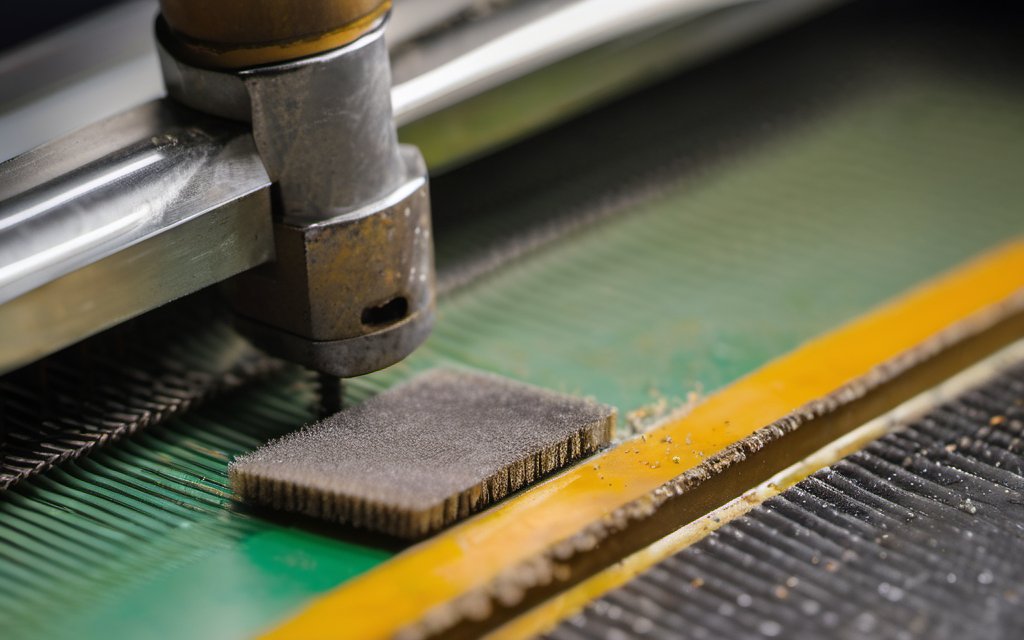
To ensure that the DC836 series meets your specific requirements, it is important to compare the available part numbers. The example part numbers DC836-3200-03-03, DC836-2500-03-05, and DC836-0850-03-03 each have unique specifications that cater to different drilling applications. For instance, the DC836-2500-03-05 has a diameter of 2.50 mm, a length of 20 mm, a flute length of 5 mm, and a helix angle of 50 degrees. These variations allow for customization based on the specific needs of the job.
| Part Number | Diameter (mm) | Length (mm) | Flute Length (mm) | Helix Angle (°) |
|---|---|---|---|---|
| DC836-3200-03-03 | 3.20 | 20 | 4 | 50 |
| DC836-2500-03-05 | 2.50 | 20 | 5 | 50 |
| DC836-0850-03-03 | 0.85 | 20 | 4 | 50 |
Verified production record
| Field | Recorded value |
|---|---|
| Record type | Grinding series |
| Series code | DC836 |
| Description | Bronze-coated solid carbide drill |
| Coating | bronze |
| Part numbers on record | 928 |
| Diameter range (mm) | 0.1 - 14.0 |
| Capability | Min. diameter 0.15 mm |
| Application | Steel and stainless steel where coating wear resistance is needed. |
| Example part numbers | DC836-3200-03-03, DC836-2500-03-05, DC836-0850-03-03 |
| Example geometry callout | D3.20204*50 |
Figures above are transcribed from the production order record and the printed catalogue extracts. Confirm the held tolerance for a specific part number in the written quotation.
See the recorded geometry on the DC836 page of this catalogue.